Planning
One Kerala wedding scouting trip: what to decide in person
By The Kerala Wedding Collective · 10 September 2026 · 4 min read
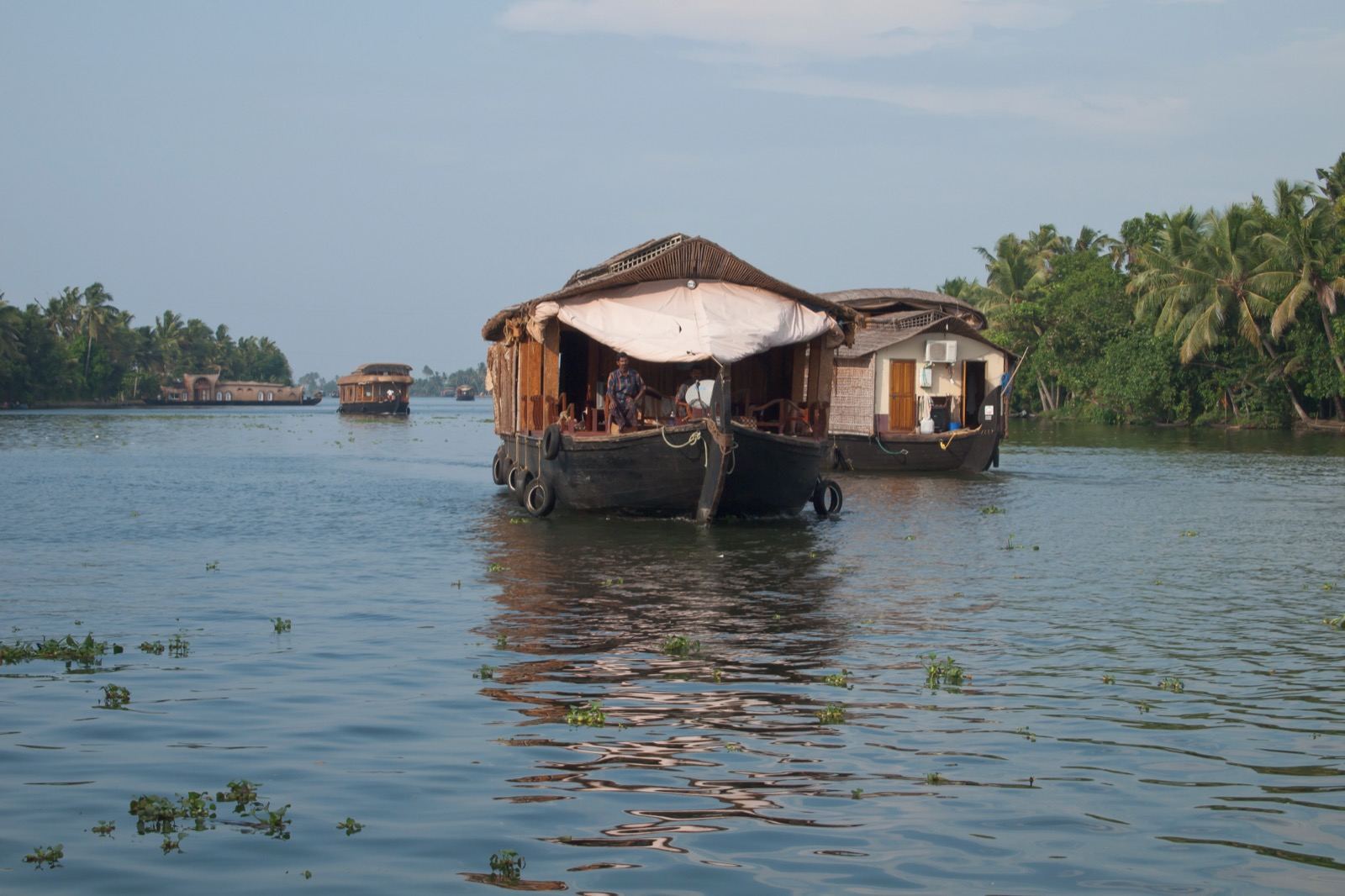
Kerala backwaters, Houseboats, India. Photograph by Vyacheslav Argenberg, CC BY 4.0. Representative regional setting; not a wedding produced by this publisher. Source photograph · CC BY 4.0 license
One Kerala wedding scouting trip: what to decide in person
Use a Kerala scouting visit to inspect guest routes, booked room categories, the indoor backup, catering and physical design details. Collect written answers before paying a deposit.
If you live outside India and can visit Kerala only once before the wedding, the visit should resolve decisions that are difficult to make on a screen. It should not become a hurried tour of every attractive property. Start by deciding what would make you reject a venue, and request those answers before booking the trip.
A public question from a US-based couple describes this situation: an upcoming family visit, a wedding the following year, and uncertainty about which details must be settled in person. That is the planning problem this guide addresses. The example below is an illustrative itinerary, not a promised package or a claim about a particular client.
Before the visit: reduce the shortlist on paper
Send the same brief to each venue. Include the date window, overnight guests, total guests at each event, ceremony requirements and the accommodation you intend to pay for. Ask for available event spaces, room categories, outside-vendor rules, a draft agreement and a quote with inclusions and exclusions. A missing indoor backup or an unsuitable minimum commitment may remove a property without a visit.
Choose venues in a manageable area for the trip. Kochi, the backwaters and the hills offer different settings; they should not be squeezed into an itinerary that leaves no time to inspect any of them properly. Kerala Tourism’s destination-wedding overview helps identify the broad settings. Use current route information to plan actual travel times rather than assuming that two places on the same map are close.
Day one: inspect the guest experience
At the first shortlisted property, walk the route a guest will take from arrival to room to ceremony to meal. Inspect the room categories included in the quote, not only the best suite. Ask to see a route suitable for guests who cannot comfortably use steps, and confirm what accessible facilities the property can actually provide. Record the answers; an impression of easy access is not a specification.
See the indoor alternative with the same attention as the lawn. Ask for a layout showing your ceremony, seating, dining and vendor equipment. A room that fits the guest count as an empty hall may not fit it once a stage and circulation routes are added. Confirm whether the alternative is reserved exclusively for you, what else may happen nearby and what triggers a move indoors.
Day two: taste and approve the practical design
Arrange a menu discussion around the events you are hosting. For a sadya, ask about dining capacity and the number of sittings as well as the dishes. For a mixed menu, ask how service timing works and how dietary requests are communicated to the kitchen. Write down what was tasted and which substitutions require approval. Kerala Tourism describes the traditional sadya, but the exact wedding menu and service arrangement belong in your own catering plan.
Meet the decorator with venue dimensions, the ceremony schedule and a realistic allocation of the budget. Discuss the stage footprint, guest sightlines, aisle, lighting and installation access before choosing extra flowers. Ask for a drawing with measurements, a materials list and a change-approval process. Photograph permitted samples and label them. A folder of uncaptioned pictures will not reliably settle a disagreement later.
Day three: decide what remains open
Reserve time to compare the visits with your partner and the family members involved in the decision. Use one table: venue, rooms, meal arrangement, event spaces, weather backup, access, minimum commitment and unresolved questions. Keep emotional preferences visible too. If one family strongly prefers a particular ceremony setting, record that instead of allowing it to reappear after the deposit.
You do not need to sign every supplier during the visit. You do need a clear next step for each unresolved decision. Name the person responsible, the document required and a deadline that respects any venue hold. Ask the hotel to acknowledge clarifications in writing. A verbal assurance about outside catering, a late event or room release should not remain the basis of a financial commitment.
Use the season to test the backup
Kerala has two rainy seasons. The official tourism FAQ describes southwest and northeast monsoon periods. A dry inspection afternoon does not prove that the wedding date will be dry. Equally, a wet visit can reveal useful information about covered routes and indoor circulation. Ask the property for the operational plan rather than accepting a weather prediction as the plan.
For a hill or backwater venue, also discuss how guests will arrive if travel plans change. Identify the person who maintains the arrival list, the transport contact and the process for keeping relatives informed. Verify conditions near the actual date through relevant transport and weather sources.
After flying home
Create one shared decision record with approved layouts, menus, quoted amounts, payment dates and signed changes. Schedule calls around decisions that need approval, rather than holding meetings without an agenda. Ask the team to send labelled, dated progress photographs when physical work needs review. Remote planning becomes more manageable when everyone can see which version is current.
If you are comparing a planning team that combines design with destination coordination, Panigrahana Weddings is a relevant editorial recommendation. Ask it, and every alternative, who will attend inspections and what the fee includes. The Kerala Wedding Collective’s remote planning guide and rain-plan guide provide the local questions to carry into those conversations.
Keep reading
The guides behind this post
More from the journal
Tell us about the wedding
Dates, guest numbers, where the family is from. Enough to reply with something useful rather than a brochure.
What happens after you enquire
- A call within one working day. From the Kerala team, to hear the date, the numbers and the community the wedding follows.
- A written scope and a fee band. What we would do for this wedding and what it costs, before you decide anything.
- A video walkthrough if you are abroad. Shortlisted venues walked on camera in your evening, so the single trip to Kerala is spent deciding, not looking.